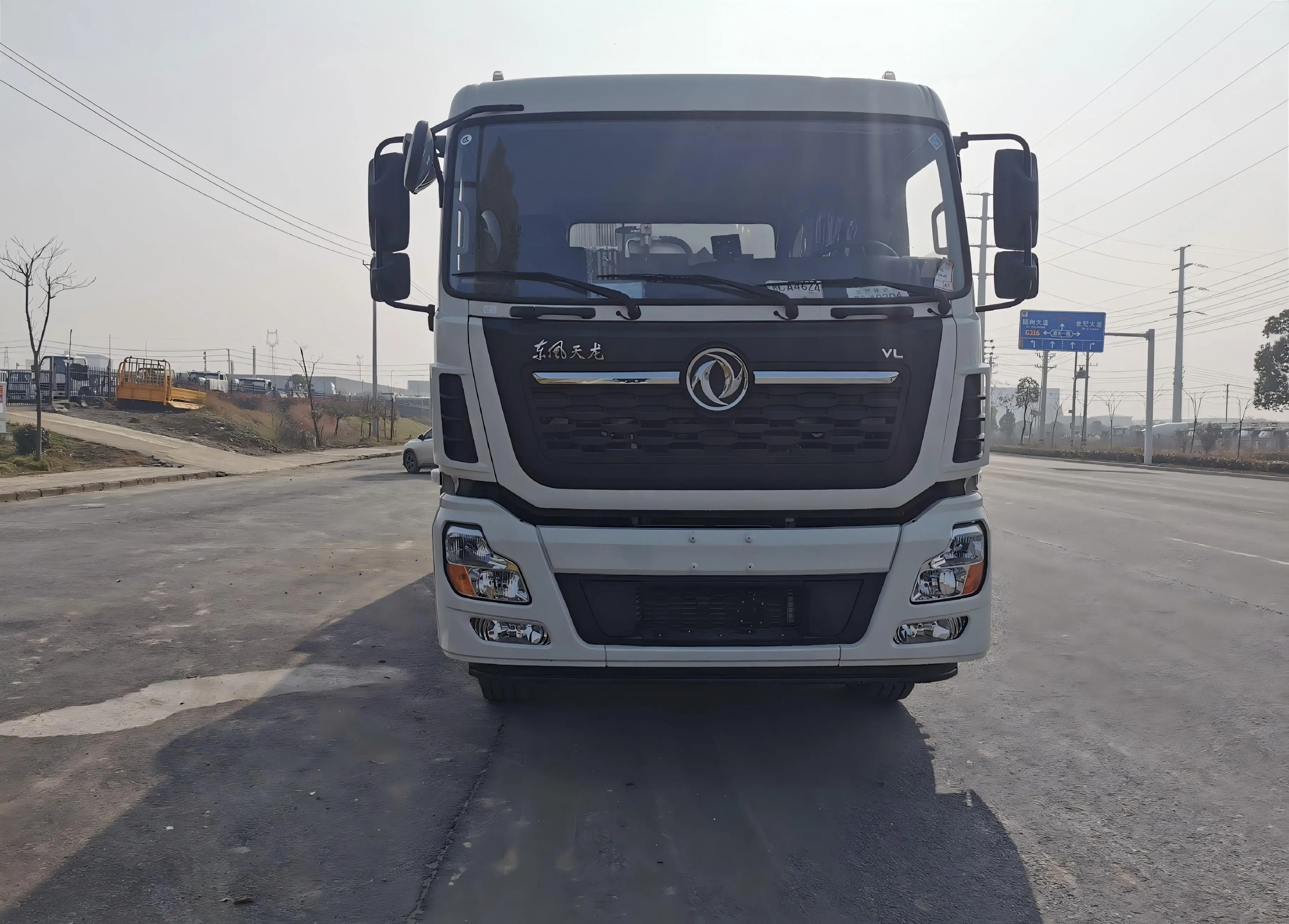
Garbage Compactor Truck Factory – Build the 20 m³ Route

Build the 20 m³ Compactor Around Your Route

Garbage Compactor Truck Factory – Build the 20 m³ Route

Build the 20 m³ Compactor Around Your Route

Sizing a body starts with the collection round, not the badge on the grille. Working with a garbage compactor truck factory means you can fix the refuse body first and settle the driveline afterwards, and this Dongfeng 20 m³ compactor garbage truck starts from a 20 m³ body, dual compaction, a 2.4 m³ hopper, a loading cycle under 24 seconds and a discharge cycle under 55 seconds, with chassis brand, engine power, emission standard, drive side, body dimensions, working system and optional equipment confirmed with you at quotation stage.

Dongfeng 20-cubic-meter compressed garbage truck,MY SHOP,Dongfeng 20-cubic-meter compressed garbage truck

What Compaction Changes on Collection Routes

A compactor garbage truck is a rear-loading refuse body with a hydraulic packer that presses waste against the discharge plate after every hopper tip. Loose refuse fills a body quickly because roughly half of what a collection crew loads is air and voids; compaction removes that space so each trip carries more tonnage before the vehicle leaves the round. On an urban route the difference shows up in three places: fewer trips to the transfer station, fewer kilometres per tonne collected, and shorter dwell time at each stop. This 20 m³ dual-compaction body is built around that idea — a 2.4 m³ hopper to accept bins quickly, a fast packer cycle, and a discharge cycle that empties the body without a long queue at the tipping point.

01 < 24 s Loading cycle

The packer completes one loading cycle in under 24 seconds, so the crew spends less time waiting between bin tips.

02 < 55 s Unloading cycle

A full discharge takes under 55 seconds, which keeps the tipping-bay slot short on multi-trip days.

03 2.4 m³ Hopper volume

A generous hopper buffers bin after bin, so the crew can load continuously instead of stopping for every packer stroke.

Dongfeng 20-cubic-meter compressed garbage truck,MY SHOP,Dongfeng 20-cubic-meter compressed garbage truck
Verified baseline configuration.

Verified Baseline Specification

These are the fixed figures published for this model. Anything not listed here is a build decision rather than a catalogue value, so it is confirmed on your quotation instead of being guessed from a photo.

Body capacity20 m³
Hopper volume2.4 m³
Loading cycleUnder 24 seconds
Unloading cycleUnder 55 seconds
Compaction systemDual compaction
Control systemCAN-bus control with automatic engine-speed adjustment
SealingDual rubber seals with independent locking mechanism; full hopper cover
Safety devicesEmergency stops, drop-prevention switches, burst-proof hydraulics
Control panelsCab-mounted and rear control panels
Optional equipmentRemote control; camera monitoring
Body materialHigh-strength steel on all contact components, wear and corrosion resistant
Drive and chassisLeft-hand or right-hand drive, chassis brand, engine power and emission standard offered as customization options
View the full product page

What the Factory Can Build: Five Configuration Axes

The baseline above is fixed; everything below is a build decision. Each card names an axis the factory builds to order and the question your RFQ needs to answer. No engine model, emission figure or body dimension is published in advance — those are agreed with you rather than assumed by us.

Dongfeng 20 m³ compactor garbage truck, exterior view of the baseline body.
Example baseline — options vary.

1. Chassis brand

Decision: which badge can your workshop service and which parts network reaches your depot?

2. Engine power and emission standard

Decision: match the driveline to the fuel quality and the emission rules your market enforces, and to the gradients on the route.

3. Drive side

Decision: left-hand or right-hand drive — state it in the first line of the enquiry so the cab is built correctly the first time.

4. Body and hopper

Decision: keep the 20 m³ body and 2.4 m³ hopper, then agree the body dimensions and working system that fit your streets and tipping bays.

5. Control and safety equipment

Decision: choose the operating stations and monitoring you want — cab and rear panels are baseline, remote control and camera monitoring are optional.

Dongfeng 20 m³ compactor garbage truck configured for municipal collection work.

Match the Build to the Route

Four typical collection situations, each paired with the product fact that matters and the decision it forces in your RFQ. Read the row that sounds like your round, then carry that decision into the quote request.

Dense municipal rounds with short stops

FactLoading cycle under 24 seconds with a 2.4 m³ hopper.

DecisionSpecify the hopper cover and keep the rear control panel, so a two-person crew works from the tailgate without walking to the cab. Confirm the body dimensions option alongside the standard 20 m³ capacity.

Long transfer runs between depots

Fact20 m³ body with dual compaction and a discharge cycle under 55 seconds.

DecisionPut chassis brand, engine power and emission standard at the top of the RFQ so the driveline is matched to your fuel and compliance environment, not chosen afterwards.

Right-hand-drive export fleets

FactLeft-hand or right-hand drive is offered as a customization option.

DecisionState the drive side in the first line of the enquiry, and confirm the emission standard that your destination market will accept at registration.

Odour- and leachate-sensitive districts

FactDual rubber seals with an independent locking mechanism and a full hopper cover.

DecisionKeep the sealing package as baseline, add the optional camera monitoring for discharge checks, and consider the optional remote control so operators can stay clear of the tipping area.

Where the Build Quality Actually Sits

Three details on this 20 m³ compactor decide how the truck behaves after a few thousand cycles — and each one is worth a question before you sign.

Scraper plate assembly detail on the 20 m³ compactor refuse body.

High-strength steel on every contact component

Wear and corrosion resistance is decided where refuse actually rubs: the packer, the scraper plate and the body floor. High-strength steel across the contact components is what keeps the compaction ratio stable as the body ages. Buyer question: which components are contact-critical, and what replacement interval is normal on a route like mine?

Dongfeng 20 m³ compactor garbage truck body and hopper assembly.

Dual rubber seals and independent locking

Leakage, dust and odour are sealed at the joint between body and discharge door. Dual rubber seals plus an independent locking mechanism hold that joint closed, and the full hopper cover closes the loading aperture between stops. Buyer question: what does the seal inspection routine look like during scheduled service?

Dongfeng 20 m³ compactor garbage truck with CAN-bus controlled compaction system.

CAN-bus control with two operating positions

The CAN-bus system adjusts engine speed automatically as the packer works, which reduces fuel burn and heat build-up across a shift. Operators get a cab-mounted panel and a rear panel, with optional remote control and camera monitoring for awkward tipping positions. Buyer question: which functions can the rear panel run without the driver leaving the cab?

Safety devices included as standard

  • Emergency stops
  • Drop-prevention switches
  • Burst-proof hydraulics
  • Independent locking on the discharge joint

RFQ Spec-Builder: Six Decisions Before You Ask for a Price

A compactor quote is only as precise as the brief behind it. Work through these six points in order and you will have a specification the factory can price without a round of clarifying emails.

1

Confirm body capacity

Start from the published 20 m³ body and 2.4 m³ hopper, then confirm whether the body dimensions option needs adjusting for your streets and tipping bays.

2

Name the chassis brand

Decide which chassis badge your workshop and parts network can support, and say so explicitly rather than leaving it open.

3

State engine power and emission standard

Tie the driveline to your fuel quality and registration rules so the truck can be homologated in your market.

4

Choose the drive side

Left-hand or right-hand drive is a build option. Naming it early avoids a redesign later in the order.

5

Agree the working system and equipment

Confirm the working system and decide on the optional remote control and camera monitoring, plus who operates from the rear panel.

6

Close the commercial terms

Get unit quantity, delivery destination and required documentation into the same message, then confirm lead time and terms with the sales team.

A specification line you can copy into your enquiry

“Dongfeng 20 m³ dual-compaction refuse body, 2.4 m³ hopper, CAN-bus control, cab and rear panels, dual rubber seals with independent locking, full hopper cover; chassis brand, engine power and emission standard to match our market; right-hand drive; optional camera monitoring. Please quote delivered to [destination].”

Send Your Route, Get a Configured Quote

Custom builds are normal for this model — chassis brand, engine power, emission standard, drive side, body dimensions, working system and optional equipment are all agreed at quotation stage. Tell us the route, the tonnage per shift and the destination market, and the build follows from there.

  • Baseline: 20 m³ body, 2.4 m³ hopper, dual compaction, CAN-bus control
  • Build-to-order: chassis, engine power, emissions, LHD or RHD, body dimensions, working system
  • Optional: remote control and camera monitoring

Related Reading

Three notes to help clarify product requirements before contacting the supplier.

High-Strength Steel for Garbage Compactor Truck Body Construction

A garbage compactor truck body meets three loads at once — scraping abrasion, acid attack from wet waste, and repeated impact — so steel choice has to answer all three.

Read article

Fitting a 20m³ Compactor Truck Into Municipal Collection Routes

A 20m³ compactor body suits some municipal routes far better than others, and collection point density, transfer station distance, and unloading rhythm explain most of that difference.

Read article

Rubber Seals, Locking and Full Coverage in Compressed Garbage Trucks

A compressed garbage truck's protection against drips, odor and dust comes from three cooperating layers rather than one rubber strip.

Read article

Frequently Asked Questions

What body and hopper capacity does this compactor garbage truck have?

The published baseline is a 20 m³ refuse body with a 2.4 m³ loading hopper. both figures come from the product specification and stay fixed across the standard configuration.

How fast are the loading and unloading cycles?

The loading cycle is under 24 seconds and the unloading cycle is under 55 seconds. those two figures set how long a crew waits at each stop and how long the vehicle occupies a tipping bay.

What can be customized on this truck?

Chassis brand, engine power, emission standard, left-hand or right-hand drive, body dimensions, working system and optional equipment are all offered as customization options. specific engine models and emission values are confirmed on your quotation rather than published in advance.

Is left-hand or right-hand drive available?

Both are offered as a customization option. state your drive side in the first message of the enquiry so the cab is built correctly from the start of the order.

Which safety and sealing features are included?

Dual rubber seals with an independent locking mechanism, a full hopper cover, emergency stops, drop-prevention switches and burst-proof hydraulics. control is through a cab-mounted panel and a rear panel, with optional remote control and camera monitoring.

How do i get a price and confirm lead time?

Send your configuration through the quote request on the product page or the contact us page. pricing, lead time and delivery terms depend on the build and destination, so they are confirmed for your specific order rather than listed on the site.

Dejar un mensaje
Nombre
Correo electrónico*
Teléfono
Mensaje